Manufacturing Use Cases 1: Unpredictable Machine Downtimes
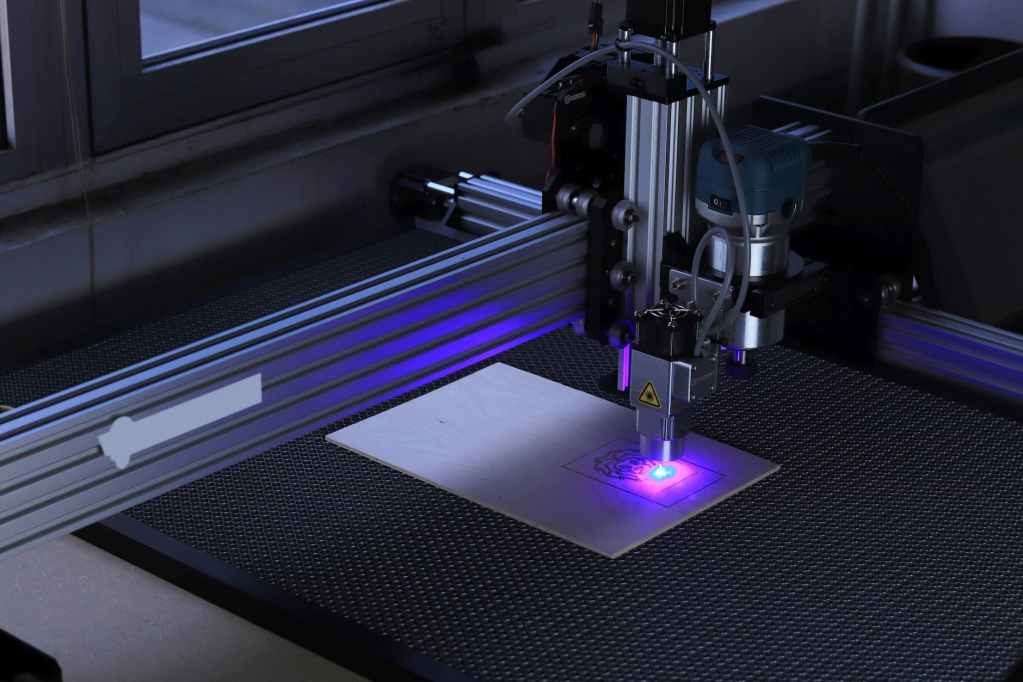
Have you ever wondered how a cutting-edge manufacturing company could tackle the pervasive issue of machine downtimes, an obstacle that so often undermines efficiency and reliability in production? This is a scenario many in the industry might find all too familiar. We introduce our solution designed in Cortex, our real-time data processing engine, to tackle such challenges.
In this series, we’re exploring three distinct yet interconnected manufacturing use cases where Cortex could dramatically improve operations. Our first focus is a classic but critical problem: frequent and unpredictable machine downtimes. These downtimes are more than just a nuisance; they can disrupt productivity and upset delivery schedules, creating inefficiencies. Let’s delve into this hypothetical situation to see how Cortex could offer a transformative solution, changing the game in manufacturing process optimization.
Manufacturing Use Cases Scenario
A company manufacturing advanced electronics faces challenges in optimizing its assembly line efficiency. They struggle with unpredictable downtimes and inconsistencies in assembly line output, impacting overall productivity. The company’s existing platforms such as IoT and ERP collect operational data but lack integrated real-time advanced analysis capabilities to fully utilize this data. The internal audit team has drilled the issues that company is currently facing down and has come up with 3 major pain points:
- Frequent and Unpredictable Machine Downtimes
- Supply Chain Disruptions Affecting Production
- Elevated Customer Returns Due to Product Quality Issues

Pain Point
The company’s assembly line experiences unexpected machine downtimes, particularly with a soldering machine that unpredictably overheats. This issue causes production halts and affects delivery schedules. Recent incidents showed that the machine’s vibration levels and electrical current were irregular before the downtimes, but these signs were unnoticed until it was too late.
Integration Method
Cortex integrates IoT data with the ERP system, correlating real-time machine performance with historical downtime incidents.
- Operational Data: Machine vibration levels, electrical current fluctuations.
- Historical Data: Timestamps and durations of past machine downtimes, reasons logged for downtimes, and maintenance activities.
Analysis
- Cortex looks for abnormal patterns in vibration levels and electrical currents, and an increase in specific error codes that previously led to downtimes.
- Vibration Levels: Normal operation vibration range for the soldering machine is 10-15 Hz. A subtle but consistent increase to 18-20 Hz over several hours, a pattern historically linked to eventual overheating.
- Electrical Current Fluctuations: The soldering machine typically operates at an electrical current of around 5 Amps. Fluctuations, with currents occasionally spiking to 7 Amps and then dropping to 3 Amps within short periods, an anomaly observed before previous downtimes.
Triggered Endpoint & Action Initiated
- Cortex triggers an alert in the company’s Maintenance Management System, which is part of the ERP suite.
- The alert includes a detailed report showing the abnormal patterns detected and references to similar historical incidents. It recommends immediate inspection and potential recalibration of the soldering machine.
Potential Benefits
- Enhanced Production Efficiency: With decreased interruptions, the assembly line could see improved efficiency, potentially increasing overall output.
- Better Adherence to Delivery Schedules: Fewer downtimes may result in improved adherence to delivery schedules, enhancing customer satisfaction.
- Cost Savings: By reducing downtime and increasing efficiency, the company could potentially save on maintenance costs and minimize losses due to halted production.
Conclusion
In this scenario, Cortex’s role in addressing machine downtimes has been pivotal. By harnessing the power of real-time data analysis, Cortex could minimize these disruptions along with many manufacturing use cases, enhancing production efficiency and ensuring that schedules are met with precision. In our next post , we will explore another relevant challenge: supply chain disruptions and their impact on production. Discover more about Cortex’s potential in elevating manufacturing operations, and join us as we showcase the extensive capabilities of Cortex in industry-like settings through manufacturing use cases.
Check out Cortex’s features and discover how Cortex may enhance your business.

Aykut Teker
Aykut Teker is the co-founder of Selfuel, redefining innovation in data operations. Building on his extensive experience in enterprise and global R&D leadership, combined with a Ph.D. in theoretical and computational physics; he spearheads research and plays a pivotal role in shaping Selfuel’s groundbreaking, accessible, and scalable data processing platform.
 EN
EN
One thought on “Manufacturing Use Cases 1: Unpredictable Machine Downtimes”
Comments are closed.