A Guide to Data Stream Fundamentals 2024
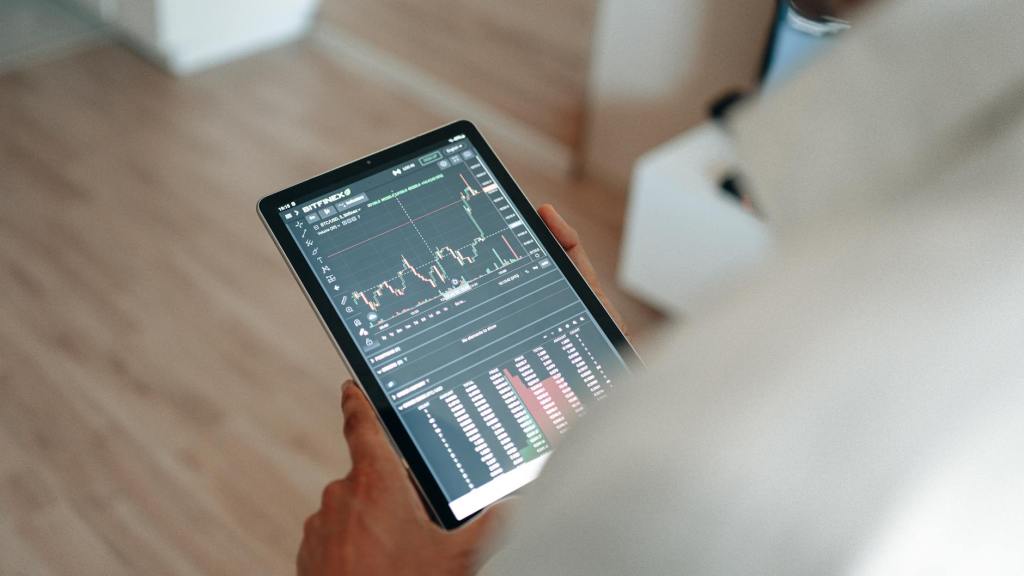
Ever wondered how today’s businesses stay ahead in a world that never sleeps? The answer lies in a transformative shift in data management—a move towards real-time data streaming. This evolution is not just about keeping pace; it’s about harnessing the power of instant insights to make informed decisions on the fly. Let’s discover how this shift from batch processing to continuous data analysis is reshaping industries, and why understanding the basics of streaming could be your key to unlocking unprecedented opportunities.
What is a data stream?
A stream in data science refers to a continuous sequence of data that’s processed and analyzed in real-time. Unlike static datasets, streams flow dynamically, allowing for immediate insights and actions. This concept is crucial in a digital environment where speed and agility are key. Streams empower businesses to react to new information instantly, from financial transactions to social media feeds, enabling better decision-making and strategic planning.
The Significance of Real-Time Data Processing
Real-time data processing, unlike batch processing, handles data as it’s generated, allowing immediate insights and actions. This instant processing is vital for applications where time matters, like fraud detection or live user personalization. Industries like finance, healthcare, and e-commerce have been revolutionized by data streaming, leveraging real-time analytics to improve customer experiences, enhance operational efficiency, and drive innovation. This shift to streaming reflects a broader move towards agility and informed decision-making in today’s fast-paced digital landscape.
Key Components of a Data Streaming Architecture

In data streaming architecture, the core components are sources, streams, and sinks.
- Sources: Origin points where data is created or captured.
- Streams: Pathways that carry data from sources to destinations, enabling real-time flow and processing.
- Sinks: Endpoints where data lands for storage, analysis, or action.
- Stream Processing: Analyzes and transforms data in-flight, from source to sink, facilitating immediate insights and decisions.
Challenges in Data Streaming
Data streaming, while powerful, faces significant challenges:
- Scalability and Reliability: Critical for managing increased loads and sustaining performance.
- Security Concerns: Vital for safeguarding data during transfer and processing.
- Data Integration and Management: Integrating streaming data from diverse sources and managing it effectively poses a significant challenge, requiring sophisticated solutions to ensure compatibility and coherence.
These obstacles necessitate a combination of strategic planning, advanced technology, and rigorous security measures to leverage real-time data analytics successfully.
Exploring the stream processing in Cortex
The Cortex platform optimizes data streaming by focusing on simplification, integration, and security:
- Simplification: Automates streaming processes, making it easier for teams to use real-time analytics.
- Integration: Seamlessly fits within existing data frameworks, enhancing without disrupting.
- Security: Prioritizes data protection with advanced encryption and access controls, ensuring safe transmission and processing.
Cortex is designed to empower organizations to fully leverage real-time data analytics, ensuring decisions are informed, timely, and secure.
Getting started with Cortex for stream management involves a few key steps and considerations:
- Setting Up Your First Stream: Begin by defining your data sources and the type of data you plan to stream. Use Cortex’s interface to create a new stream, specifying the source and structure of your incoming data.
- Tips and Best Practices:
- Ensure data consistency and quality from the start.
- Monitor your streams regularly to identify and resolve issues quickly.
- Scale your infrastructure as your data volume grows to maintain performance.
- Use Case Examples:
- Finance: Real-time fraud detection by analyzing transaction streams.
- Healthcare: Patient monitoring systems that stream vital signs for immediate analysis.
- E-commerce: Personalized shopping experiences through real-time behavior tracking.
These steps and examples highlight the versatility and capability of Cortex in streamlining real-time data analytics across various industries.
Advanced considerations regarding Streams
Exploring advanced topics in data streaming involves understanding how machine learning (ML) and artificial intelligence (AI) enhance real-time analytics and anticipating future technological trends:
Leveraging Machine Learning and AI: Integrating ML and AI into data streams allows for predictive analytics, automated decision-making, and enhanced pattern recognition, transforming raw data into actionable insights.
Future Trends in Streaming Technology:
- Increased integration of IoT devices, generating more complex data streams.
- Greater emphasis on edge computing to process data closer to its source.
- Development of more sophisticated tools for managing data privacy and security within streams.
These advancements signal a future where data streaming becomes even more integral to digital infrastructure, driving innovation and efficiency.
Conclusion
In wrapping up, choosing Cortex for data streaming enhances your strategy with its user-friendly platform, tailored for real-time analytics. Cortex simplifies complex data processes, making it accessible for businesses to leverage instant insights for decision-making. To fully understand how Cortex can transform your data strategy, consider scheduling a free discovery session. This step offers a personalized look into incorporating Cortex into your operations, ensuring your business stays ahead in the fast competition environment. Start your free trial with Cortex with $150 free trial budget.

Aykut Teker
Aykut Teker is the co-founder of Selfuel, redefining innovation in data operations. Building on his extensive experience in enterprise and global R&D leadership, combined with a Ph.D. in theoretical and computational physics; he spearheads research and plays a pivotal role in shaping Selfuel’s groundbreaking, accessible, and scalable data processing platform.
 EN
EN